When most people get injured, the first advice they hear is simple:
“Just rest — it will heal on its own.”
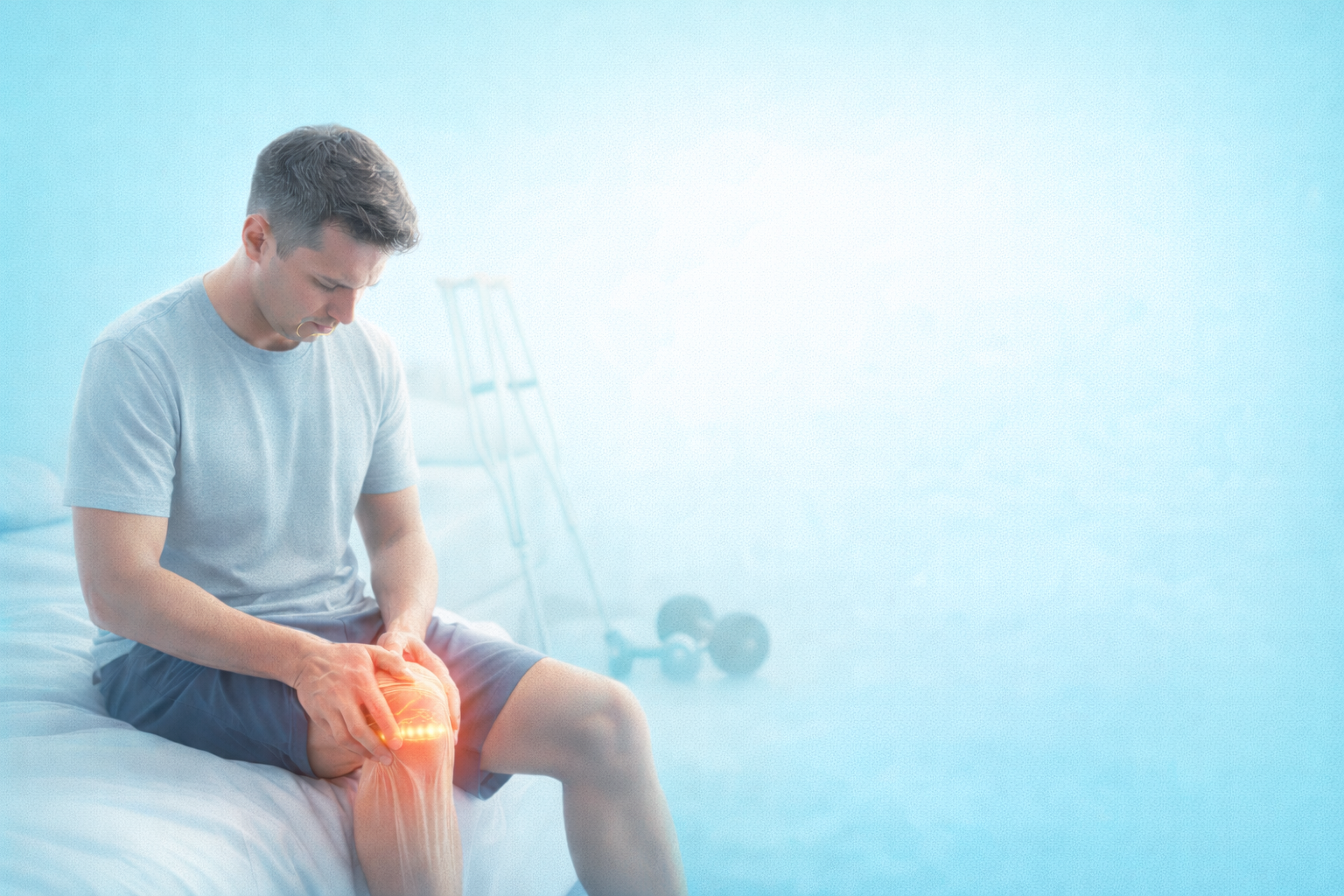
For many years, complete rest was considered the safest way to recover after a sprain, strain, back injury, or accident. But modern research shows that while rest is helpful at first, rest alone can actually slow healing, increase stiffness, and lead to long-term problems.
Your body doesn’t just heal by stopping. It heals best when it receives the right kind of controlled movement, support, and guidance.
Rest Is Important — but Only at the Beginning
Immediately after an injury, your body reacts by creating inflammation and swelling to protect the damaged area. For the first 24 to 72 hours, resting helps reduce irritation and prevents further strain. This short phase allows the body to calm down and start repairing tissues.
However, problems begin when rest continues far too long. If you avoid moving for days or weeks, joints become stiff, muscles weaken, and circulation slows down. Instead of helping the injury heal, the lack of movement begins to interfere with recovery.
Too Much Rest Weakens the Body
When you stop moving, the body quickly adapts — but not in a good way. Muscles begin to shrink, connective tissues tighten, and the injured area becomes less stable. Over time, even simple movements can start to feel painful because the area has lost strength and flexibility.
People who rely only on rest often notice their injury feels worse when they finally try to move again. Instead of feeling recovered, they feel stiff, sore, and afraid to use the injured area.
Movement Encourages Healing
Gentle, guided movement plays a major role in proper recovery. When appropriate exercises are introduced at the right time, they help increase blood flow, deliver nutrients to damaged tissues, and prevent scar tissue from becoming tight and restrictive.
Movement also helps the nervous system relearn normal movement patterns. The body becomes more confident, more coordinated, and more capable of supporting daily activities again. Healing becomes faster and more complete when movement is introduced safely and gradually.
Ready to Book Your Rehab Appointment?
Get personalized care, faster recovery, and expert guidance — start with an easy online booking.
Book Your AppointmentQuick • Easy • Secure Online Booking
Pain Doesn’t Always Mean Damage
One of the biggest reasons people avoid movement is fear. They assume that if something hurts, it means they are making the injury worse. But discomfort during early rehab does not always equal injury — sometimes it simply means the body is stiff, weak, or unused to the movement.
The goal is not to push through sharp or severe pain. Instead, it is to work within safe limits under guidance so the body becomes stronger without being overloaded.
Injuries That “Heal on Their Own” Often Return
When injuries are left alone without proper rehabilitation, they may appear to recover — but deep down, the tissue may not heal correctly. Weak joints, tight muscles, and poor movement habits can linger for months or years.
This is why some people continue experiencing repeated ankle sprains, recurring shoulder pain, or ongoing back problems. The original injury never received structured recovery, so the body stayed vulnerable.
A Smarter Approach to Recovery
The most effective recovery combines short-term rest with gradually increasing activity. This usually includes gentle stretching, mobility exercises, strengthening, and hands-on therapy when needed. The goal is not just to eliminate pain temporarily, but to restore normal function and prevent future injuries.
With the right plan, the body heals stronger, moves better, and returns to daily life more safely and confidently.
Final Thought
Rest has a place — especially right after an injury — but relying on rest alone can hold your recovery back. The body is designed to move, and the right type of movement helps it heal faster, better, and more completely.
If an injury is still painful, stiff, or not improving after a few days, guided rehabilitation can make a major difference in long-term healing.