Many individuals put an incredible emphasis on working out, but there is one element of good health that is regularly neglected. Regardless of whether you are just beginning your fitness regime, you are an avid exerciser, or you enjoy recreational athletics, recovery is essential to achieving peak physical function.
At Airport Physio & Rehab, we encounter numerous clients who workout consistently but suffer from soreness, exhaustion, repetitive injuries, or lack of progress. What is frequently lacking in these situations is not training, but recovery.
What is Recovery?
Recovery refers to what happens inside the body after exercising as the body restores the muscles, energy levels, and adaptation to the stresses of exercise. Whenever there is exercise, the body is subjected to certain stresses. In the recovery stage, muscles regenerate and the body regains its strength and resilience.
The lack of adequate recovery could cause the body to lack sufficient time to recover and therefore make it vulnerable to injury.
The Importance of Recovery
Recovery ensures that your muscles and joints get rest after being physically stressed. This reduces soreness in your muscles, increases your flexibility and mobility, and also allows you to build yourself back stronger than ever.
Individuals who neglect their recovery tend to be chronically fatigued and demotivated, exhibit poor performance, and are more prone to sustaining overuse injuries.
Warning Signs That Your Body Requires Adequate Recovery Time
There are many warning signs that our body sends out when it is not having enough recovery time. Muscle pain, stiffness, weakness, insomnia, lack of energy, aches, or pains can be some of the warning signs that your body requires adequate recovery time.
If you face these problems consistently even when you exercise regularly, then you need to rethink about how you recover.
Sleep and its Impact on the Recovery Process
It is among the best means that help promote recovery processes. When sleeping, our body recovers damaged cells, develops muscles, and regains strength. The lack of sleep hinders recovery, causes inflammation, and negatively influences physical performance.
Adults are recommended to have about seven to nine hours of good-quality sleep per night.
Remaining Active During Recovery Periods
Recovery does not necessarily equate to doing nothing. Engaging in mild exercises like walking, stretching, and mobility training will ensure that your muscles continue moving and that blood flow is stimulated. This form of recovery is termed “active recovery.”
Balancing movement and rest is crucial for success.
Nutrition and Hydration Promote Recovery
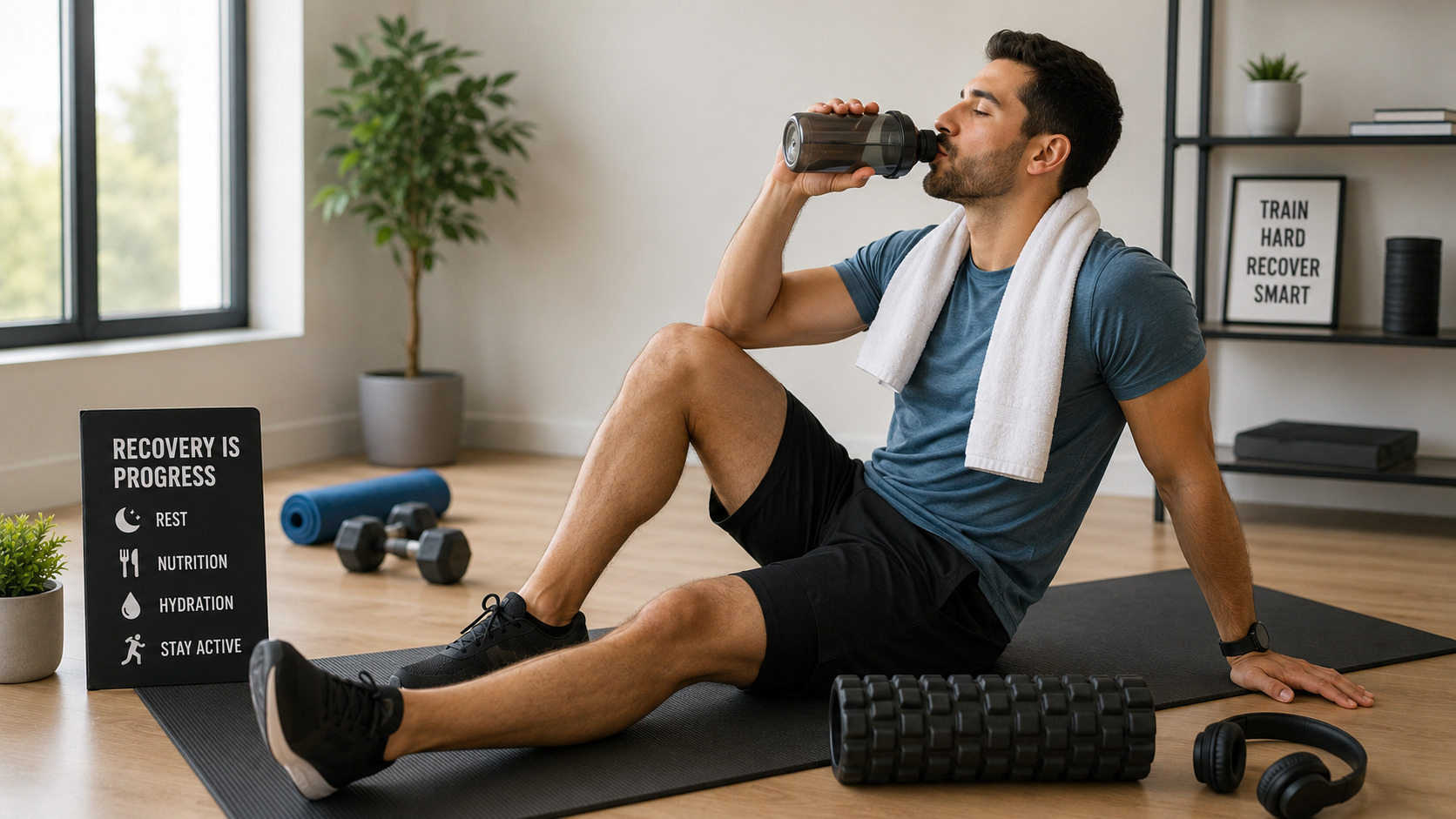
In order to recover properly, the body needs proper nutrition. Proteins repair muscles, while carbohydrates replenish energy stores that were depleted by physical activity. Being hydrated is important as well because dehydration can affect muscle work and delay the process of recovery.
Healthy diet along with hydration can promote general well-being and performance.
Physiotherapy: The Way It Can Assist
In case you have repetitive discomfort, reduced mobility, or exercise injuries, physiotherapy will be able to find out the reasons for those problems. Physiotherapist will analyze your body movement, your flexibility, your strength, and your recovery skills to design a unique treatment program.
The treatment can involve mobility training, stretching routines, manual therapy, and preventive actions.
Include Recovery into Your Lifestyle
Apart from being an important factor that helps people to maintain an active and healthy life, exercise is not the whole process of keeping fit. Recovery plays a significant role in keeping your body strong, flexible and injury-free as well.
Through focusing on sleep, diet, hydration, and correct movement patterns, you can enhance your performance and well-being. In case you are facing any problems with pain, stiffness, or difficulty recovering after exercise, the specialists from Airport Physio & Rehab will be able to assist you with that.