
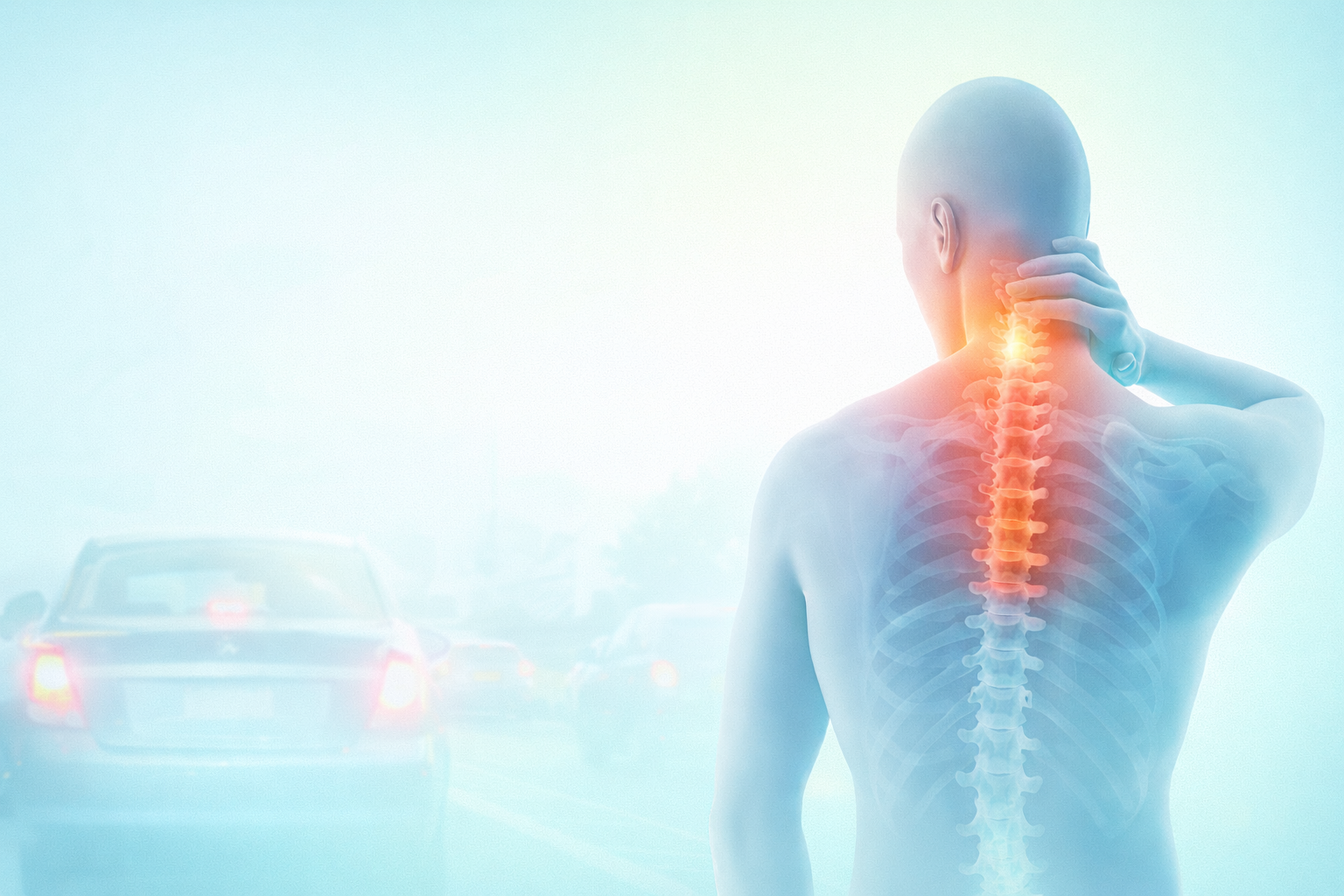
When most people think about car accidents, they imagine serious crashes, ambulances, and immediate injuries. But in reality, many collisions happen at low speeds — parking-lot bumps, slow traffic rear-ends, or small fender benders. In moments like these, people often step out of the car, look around, feel a bit shaken, and say:
“Thank God — I’m fine.”
But weeks later, they begin to notice something isn’t right. Their neck feels stiff, their back aches in the morning, headaches start showing up, or they feel sore for no clear reason. At first, they try to ignore it. They think it’s stress, bad sleep, or maybe “just age.”
The truth is: even a minor car accident can create injuries that take time to reveal themselves. And understanding why this happens is the first step toward preventing long-term pain.
Ready to Book Your Rehab Appointment?
Get personalized care, faster recovery, and expert guidance — start with an easy online booking.
Book Your AppointmentQuick • Easy • Secure Online Booking
Your body goes into survival mode — and hides the pain
Immediately after an accident, the body experiences shock. The brain senses danger and releases stress hormones such as adrenaline and cortisol. These chemicals are designed to help in emergencies. They keep you alert, focused, and able to react quickly.
But they also numb pain temporarily.
That is why someone can walk away feeling “normal,” even when muscles, ligaments, and joints have actually been damaged. Hours, days, or sometimes weeks later — when those hormones calm down — the true discomfort begins to surface. What seemed like nothing at first slowly becomes persistent tension, tightness, and soreness.
Soft-tissue injuries don’t always show up immediately
Unlike broken bones, soft-tissue injuries are subtle. They involve the muscles, tendons, ligaments, and connective tissue that support the body. During a crash, your body moves suddenly and unnaturally. Seatbelts stop you, but your head, neck, and spine still absorb the force.
This often leads to small internal injuries that aren’t visible from the outside. Tiny fibers inside the muscles and ligaments stretch or tear. Swelling begins gradually. Nerves can become irritated. Because these processes take time, symptoms don’t always appear right away.
Over days and weeks, inflammation increases, movement becomes restricted, and what was once mild stiffness can develop into deep aching pain and limited mobility.
Whiplash: the most misunderstood “minor” injury
One of the most common injuries after a low-speed crash is whiplash. It happens when the head is suddenly thrown forward and backward, like the cracking of a whip. Importantly, this can happen even when the car isn’t badly damaged — because your body absorbs the force instead of the vehicle.
People with whiplash frequently report feeling fine immediately afterward. Then, over time, they start noticing neck pain, headaches, jaw tension, dizziness, shoulder discomfort, or tingling down the arms. These symptoms can appear days later and continue for months if they aren’t treated properly.
Ignoring whiplash can cause scar tissue to form, which reduces flexibility and increases the risk of future flare-ups.
The spine absorbs shock — and sometimes becomes misaligned
Your spine is designed to protect your nervous system while allowing you to move freely. During a collision, it acts like a spring, absorbing sudden pressure. Even when there is no obvious injury, the joints between vertebrae can shift slightly or become compressed. When this happens, surrounding muscles tighten to protect the area, creating stiffness and discomfort.
Over time, this tension affects posture, sleep, energy levels, and daily movement. Pain may come and go at first, then gradually become more constant. Without proper evaluation, people often blame their mattress, work chair, or age — when in reality, the accident was the starting point.
Pain spreads when the body compensates
The human body is incredibly smart. When one area hurts, other muscles step in to protect and stabilize it. Unfortunately, this creates imbalance. For example, if the neck is injured, the shoulders, upper back, and even lower back may start working harder than normal.
Slowly, new symptoms begin appearing — headaches, fatigue, tightness, and reduced range of motion. What began as one small injury becomes a chain reaction affecting multiple parts of the body. This is why it’s so important not to dismiss “small” aches after a collision.
Why early evaluation matters so much
Many people avoid seeing a doctor or therapist after a minor accident because they think the pain will eventually disappear on its own. Sometimes it does — but often it doesn’t. Soft-tissue injuries can heal incorrectly, forming scar tissue and chronic inflammation.
Early evaluation helps identify hidden injuries before they become long-term problems. Proper care reduces swelling, restores movement, improves healing, and protects the spine and nervous system. In many cases, the difference between short-term soreness and chronic pain is how soon someone gets checked.
When should you seek help?
You should consider seeing a professional if, after your accident, you notice ongoing symptoms such as increasing stiffness, lingering soreness, headaches, dizziness, tingling, weakness, or any pain that lasts more than a few days. These signs suggest your body hasn’t fully recovered and may need support to heal correctly.
There’s no benefit in waiting and hoping it disappears. Early attention not only speeds recovery but also prevents future complications and recurring discomfort.
Final takeaway
A small accident does not always mean a small injury. What feels like nothing in the moment can quietly build into major pain weeks later. Listening to your body is essential. If discomfort, stiffness, or headaches appear after a collision — even a minor one — it’s worth taking seriously.
Your health, mobility, and comfort in the future may depend on the care you choose today.