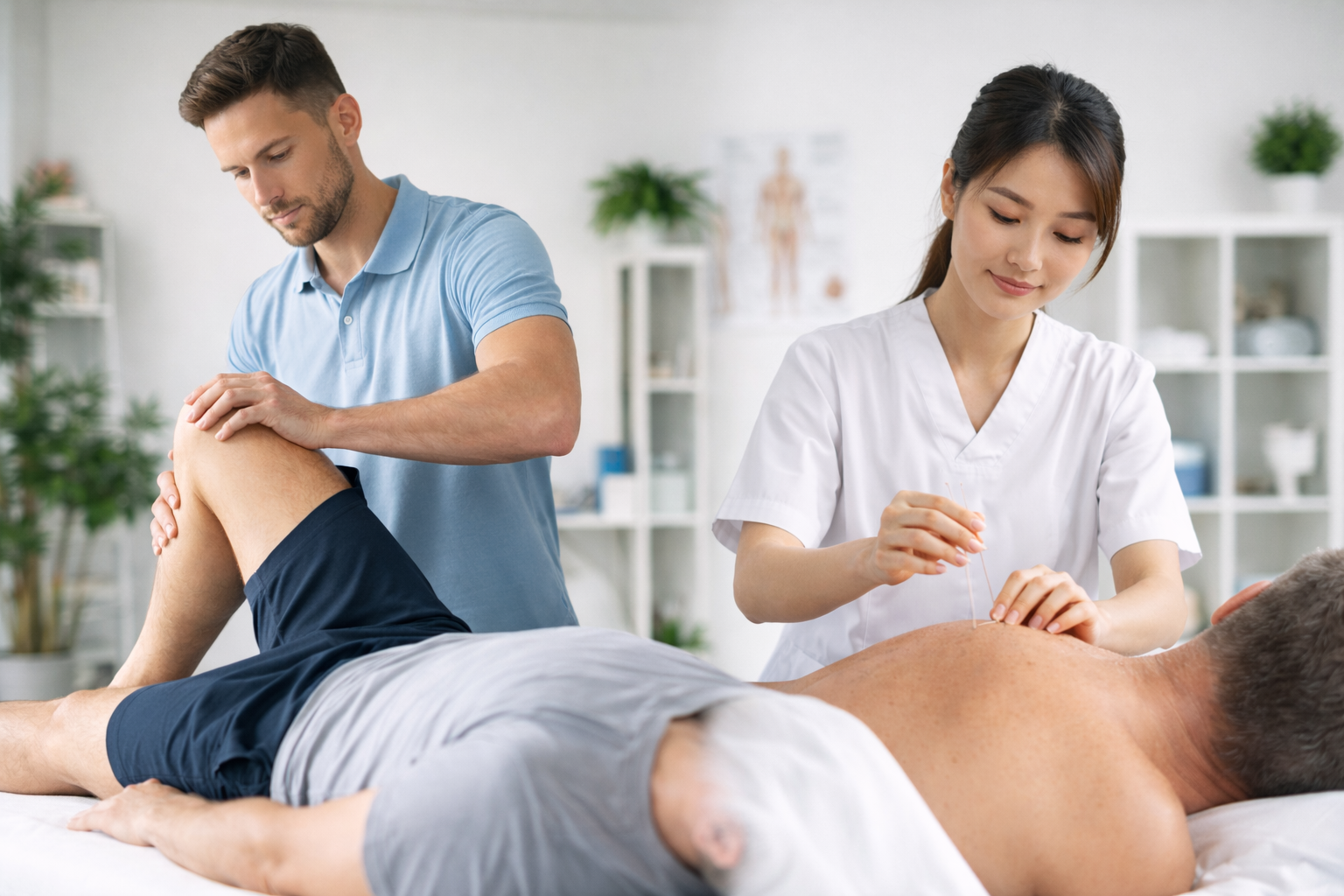
Pain and movement problems are rarely caused by a single issue. In most cases, discomfort develops due to a combination of muscle tightness, joint restrictions, nerve irritation, inflammation, and even stress. Because of this, relying on just one form of treatment may not always deliver complete or long-lasting relief. Combining physiotherapy and acupuncture allows the body to heal from both a physical and neurological perspective, making recovery more effective and balanced.
At Airport Physio & Rehab, this integrated approach is often recommended for patients who want faster pain relief, better mobility, and long-term recovery rather than short-term symptom management.
Understanding the Role of Physiotherapy
Physiotherapy focuses on improving how your body moves and functions. It addresses the physical causes of pain by restoring joint mobility, strengthening weak or injured muscles, improving flexibility, and correcting posture and movement patterns. Physiotherapy is designed not only to reduce pain but also to prevent it from returning by treating the root cause of dysfunction.
For individuals recovering from injuries, surgery, chronic pain, or repetitive strain, physiotherapy helps rebuild strength, confidence, and independence in daily activities. It plays a critical role in restoring proper movement and supporting long-term physical health.
Understanding the Role of Acupuncture
Acupuncture supports the body’s natural healing processes by stimulating specific points that influence the nervous system and circulation. This therapy helps reduce pain signals, decrease inflammation, relax tight muscles, and improve blood flow to affected areas. It also promotes relaxation, which can be especially beneficial for patients whose pain is worsened by stress or muscle tension.
Acupuncture is often used to manage persistent pain, nerve-related symptoms, headaches, and conditions where inflammation and muscle tightness are limiting recovery. When combined with physiotherapy, it creates an environment where the body can respond more effectively to rehabilitation.
Why Combining Physiotherapy and Acupuncture Is More Effective
Physiotherapy and acupuncture work best together because they address different aspects of pain and recovery. Acupuncture helps calm the nervous system and reduce discomfort, making movement easier and less painful. Physiotherapy then builds on this relief by restoring strength, mobility, and proper movement patterns.
When pain is reduced through acupuncture, patients are often able to participate more fully in physiotherapy exercises and manual treatments. This combination allows for better progress, improved comfort during sessions, and more sustainable results over time.
Chronic Pain That Has Not Fully Improved
Chronic pain often involves long-term muscle tension, joint stiffness, and heightened sensitivity in the nervous system. In these cases, physiotherapy alone may feel challenging if pain levels remain high, while acupuncture alone may not correct underlying movement issues. Combining both treatments helps reduce pain while simultaneously addressing physical limitations, making it an effective approach for long-standing discomfort.
Recovery After a Car Accident or Injury
Injuries from motor vehicle accidents or sudden trauma often affect multiple systems in the body. Pain may develop gradually and can involve muscles, joints, nerves, and soft tissues. Acupuncture can help manage pain and inflammation in the early stages, while physiotherapy focuses on restoring mobility, strength, and posture. Together, they support a smoother and more complete recovery process.
Nerve Pain and Sciatica
Nerve-related pain such as sciatica can be sharp, radiating, and difficult to manage with exercise alone. Acupuncture helps calm irritated nerves and reduce pain signals, allowing physiotherapy to work more effectively. Physiotherapy then addresses the mechanical causes of nerve compression, helping relieve pressure and prevent future flare-ups.
Sports Injuries and Overuse Conditions
Athletes and active individuals often experience injuries caused by repetitive strain or overuse. Acupuncture helps reduce inflammation and muscle tightness, while physiotherapy restores strength, flexibility, and movement control. This combined approach supports faster recovery and reduces the risk of re-injury, helping individuals return to activity safely.
Stress-Related Muscle Tension and Pain
Stress can significantly contribute to neck, shoulder, and back pain by causing ongoing muscle tension. Acupuncture promotes relaxation and helps regulate stress responses in the body, while physiotherapy focuses on correcting posture and movement habits. Together, they provide relief for both the physical and emotional contributors to pain.
Post-Surgical Rehabilitation Support
After surgery, pain and stiffness can slow down the rehabilitation process. Acupuncture can help manage post-surgical discomfort and improve circulation, while physiotherapy restores strength, flexibility, and functional movement. Combining both treatments often makes recovery more comfortable and allows patients to progress with greater confidence.
What to Expect from Combined Treatment
At Airport Physio & Rehab, treatment always begins with a detailed assessment to determine whether combining physiotherapy and acupuncture is appropriate for your condition. Your care plan is tailored to your needs, recovery goals, and comfort level. Treatments may be scheduled together or in phases, depending on how your body responds.
Final Thoughts
Combining physiotherapy and acupuncture can be highly effective when pain, stiffness, or slow recovery is limiting your progress. By addressing both the physical structure of the body and the nervous system, this integrated approach offers more complete and lasting results.
At Airport Physio & Rehab, we believe in personalized, holistic care that targets the root cause of pain. If you are struggling with ongoing discomfort or want to optimize your recovery, combining physiotherapy and acupuncture may be the right solution to help you move better and live pain-free.