How Physiotherapy Can Speed Up Recovery After Surgery
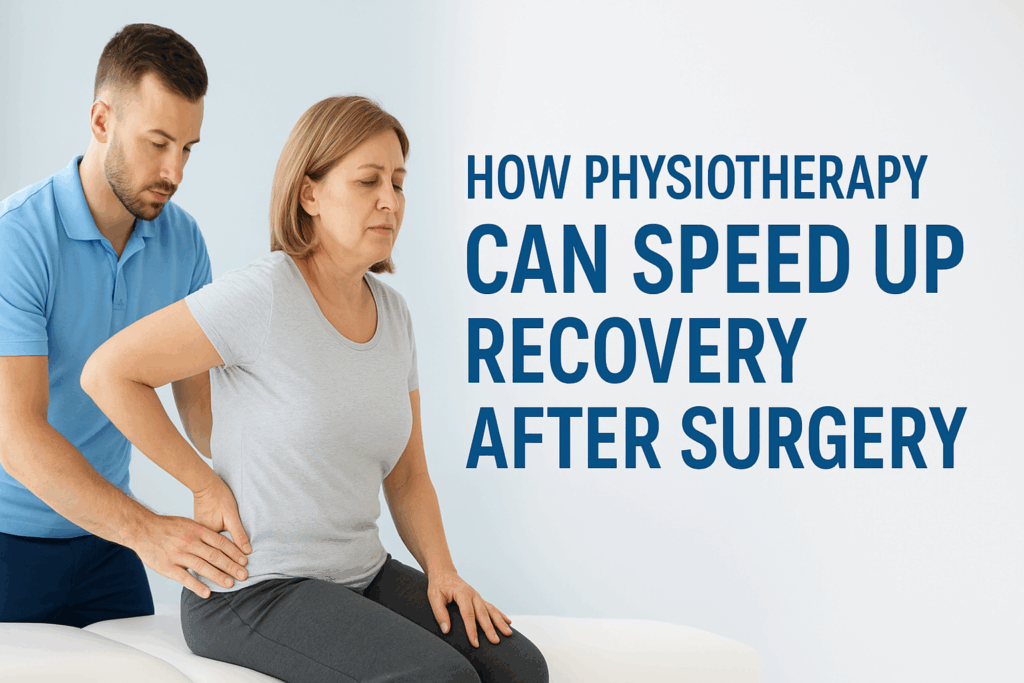
Recovering from surgery can be a long and challenging journey. Whether you’ve undergone joint replacement, spinal surgery, or a soft tissue procedure, proper rehabilitation plays a crucial role in restoring mobility and strength. Physiotherapy is one of the most effective ways to accelerate recovery, reduce complications, and help you regain confidence in your body. In this article, we’ll explore how physiotherapy supports post-surgical healing and why it should be an essential part of your recovery plan. After surgery, your body undergoes stress and trauma, often resulting in: Without proper rehabilitation, these issues can delay healing and affect your long-term quality of life. Physiotherapy addresses these concerns with personalized treatment strategies tailored to your surgery and overall health. Pain is one of the most common challenges after surgery. Physiotherapists use techniques like manual therapy, ultrasound, TENS, and guided exercises to ease discomfort. By improving blood circulation and reducing muscle tension, physiotherapy helps manage pain without relying solely on medications. Surgery often leads to stiffness, especially in joints and muscles around the operated area. Through gentle stretching and mobility exercises, physiotherapy helps patients regain flexibility and restore normal movement patterns, allowing them to return to daily activities faster. 3. Strengthening Muscles Post-surgery, muscles around the affected area can become weak due to limited movement. Physiotherapy includes progressive strengthening exercises that target specific muscle groups. Stronger muscles provide better support, reduce strain, and lower the risk of reinjury. 4. Reducing Scar Tissue and Swelling Physiotherapists use massage techniques, manual therapy, and guided exercises to minimize scar tissue build-up. This not only enhances mobility but also prevents complications such as stiffness and chronic pain. Additionally, physiotherapy supports lymphatic drainage to reduce swelling. 5. Preventing Complications Without rehabilitation, patients may face long-term complications like chronic pain, poor posture, or limited joint movement. Physiotherapy ensures that recovery is safe, structured, and complication-free, helping you return to work, sports, or daily life with confidence. 6. Enhancing Balance and Coordination Certain surgeries—especially orthopedic ones—can affect your balance and gait. Physiotherapy provides balance training and gait re-education, ensuring you can walk steadily and safely without relying heavily on mobility aids. 7. Personalized Recovery Plans Every surgery and every patient is unique. At Airport Physio & Rehab, we design customized rehabilitation programs based on your condition, goals, and recovery timeline. This personalized approach maximizes results and ensures long-term wellness. When Should You Start Physiotherapy After Surgery? The ideal time to begin physiotherapy depends on the type of surgery. In many cases, therapy starts within a few days after the procedure, under medical guidance. Early intervention promotes faster healing, but it’s essential to follow your surgeon’s and physiotherapist’s recommendations. Why Choose Airport Physio & Rehab for Post-Surgical Recovery At Airport Physio & Rehab, our team of experienced physiotherapists combines evidence-based techniques with compassionate care. We provide: Our goal is to help you heal faster, recover stronger, and return to the activities you love. Final Thoughts Physiotherapy is more than just exercise—it’s a science-backed approach to restoring your health after surgery. By managing pain, improving mobility, and strengthening your body, physiotherapy ensures a smoother, quicker, and safer recovery. If you’ve recently had surgery or are planning one, reach out to Airport Physio & Rehab today. Let our experts guide you every step of the way toward a pain-free, active life. Call us at 905-794-4200 or Book your appointment online to start your recovery journey today.
Physiotherapy vs. Chiropractic Care – Which One Do You Need?

When it comes to managing pain, recovering from an injury, or improving mobility, two popular treatment options often come to mind: physiotherapy and chiropractic care. Both therapies focus on restoring movement and reducing discomfort, but they use different techniques and approaches. At Airport Physio & Rehab in Brampton, we offer both physiotherapy and chiropractic care, helping patients choose the treatment that works best for their needs. In this blog, we’ll compare the two approaches so you can decide which one is right for you. What Is Physiotherapy? Physiotherapy focuses on improving movement, strength, and overall physical function. It is commonly used after injuries, surgeries, or for chronic conditions that affect mobility. Key Benefits of Physiotherapy: 👉 At Airport Physio & Rehab, our physiotherapists create personalized treatment plans that combine hands-on care with guided exercises. What Is Chiropractic Care? Chiropractic care focuses on the alignment of the spine and musculoskeletal system. Chiropractors use hands-on spinal adjustments and joint manipulation to restore proper alignment and improve nervous system function. Key Benefits of Chiropractic Care: 👉 At our clinic, chiropractors use non-invasive spinal adjustments to reduce pain and promote natural healing. Physiotherapy vs. Chiropractic Care: The Main Differences While both treatments help with pain and mobility, their approaches differ: Aspect Physiotherapy Chiropractic Care Focus Muscles, joints, movement, rehabilitation Spine, nervous system, joint alignment Techniques Exercises, stretches, manual therapy, education Spinal adjustments, joint manipulations Best For Injury recovery, surgery rehab, mobility improvement Back pain, neck pain, posture issues Approach Holistic, long-term rehabilitation Hands-on, immediate alignment 👉 Many patients benefit from a combination of both therapies, especially for conditions like chronic back pain or accident recovery. When Should You Choose Physiotherapy? You may benefit most from physiotherapy if you: When Should You Choose Chiropractic Care? Chiropractic care may be the right choice if you: Why Not Both? A Holistic Approach At Airport Physio & Rehab, we believe that combining physiotherapy and chiropractic care often brings the best results. For example: This integrated approach ensures patients receive comprehensive care for faster recovery and long-term results. Why Choose Airport Physio & Rehab? At our clinic, we specialize in holistic rehabilitation that includes: We are conveniently located at 6231 Mayfield Rd, Unit 125, Brampton, serving patients from Brampton, Caledon, and surrounding areas. Our goal is simple: to help you move better, feel better, and live pain-free. Book Your Appointment Today Not sure if you need physiotherapy or chiropractic care? Our expert team will guide you through a personalized consultation and recommend the right treatment for your condition. 📞 Call us at 905-794-4200📧 Email: info@airportphysio.ca🌐 Book Online: Book an Appointment Take the first step toward pain relief and better mobility with Airport Physio & Rehab – your trusted clinic for physiotherapy and chiropractic care in Brampton.
Top 7 Causes of Lower Back Pain and How Physiotherapy Helps

Lower back pain is one of the most common health issues faced by people of all ages. Whether you sit at a desk all day, play sports, or are recovering from an accident, back pain can limit your mobility and affect your quality of life. At Airport Physio & Rehab in Brampton, we regularly help patients who struggle with lower back pain. The good news is that with the right combination of physiotherapy, chiropractic care, massage therapy, and holistic treatments, you can recover, strengthen your body, and prevent pain from returning. In this blog, we’ll look at the top 7 causes of lower back pain and explain how physiotherapy can help you heal naturally. 1. Poor Posture and Prolonged Sitting Spending long hours sitting — whether at a desk, in front of a computer, or while driving — puts extra strain on the spine. Poor posture leads to muscle imbalances and stiffness, which often result in lower back pain. How Physiotherapy Helps:Our physiotherapists focus on posture correction through targeted exercises. We also guide you on workplace ergonomics and design strengthening programs to support your back and core muscles, reducing the pressure on your spine. 2. Muscle Strain or Sprain One of the most common causes of back pain is muscle strain or ligament sprain, often caused by lifting heavy objects, sudden twisting, or overexertion during physical activity. Even small tears in muscle fibers can lead to sharp pain and restricted movement. How Physiotherapy Helps:Physiotherapy treatments may include stretching and strengthening exercises, manual therapy, and pain-relief techniques like heat or cold therapy. Our goal is not only to relieve pain but also to improve muscle flexibility and prevent reinjury. 3. Herniated or Bulging Discs A herniated disc occurs when the soft tissue between your spinal bones slips out of place, pressing on surrounding nerves. This often causes lower back pain, numbness, tingling, or even sciatica. How Physiotherapy Helps:We use specialized exercises to relieve pressure on the spine, improve mobility, and reduce nerve irritation. Physiotherapy helps many patients manage disc issues effectively without the need for surgery. 4. Arthritis and Degenerative Conditions Conditions such as osteoarthritis and degenerative disc disease are common as we age. These can cause joint stiffness, reduced flexibility, and ongoing pain in the lower back. How Physiotherapy Helps:Through joint mobilization, gentle strengthening, and low-impact exercises, our therapists help maintain mobility and ease discomfort. Complementary therapies like acupuncture and massage therapy can also reduce stiffness and inflammation. 5. Car Accidents and Whiplash Injuries Motor Vehicle Accidents (MVAs) can result in back and neck injuries that may not be noticeable right away. Over time, these injuries can lead to chronic pain and reduced function. How Physiotherapy Helps:At Airport Physio & Rehab, we create personalized accident recovery programs that may include physiotherapy, chiropractic adjustments, massage therapy, and acupuncture. We also assist patients with MVA insurance claims, making the process smoother and less stressful. 6. Sedentary Lifestyle and Weak Core Muscles A lack of exercise and weak core muscles place extra strain on the lower back. Without proper strength and flexibility, even simple daily movements can lead to pain or injury. How Physiotherapy Helps:Our physiotherapists design customized exercise plans that focus on strengthening the core and improving balance. This helps support the spine, improve posture, and prevent recurring back pain. 7. Stress and Muscle Tension Emotional stress doesn’t just affect the mind — it also causes physical tension in the body. Many people carry stress in their lower back, leading to tightness, stiffness, and discomfort. How Physiotherapy Helps:We offer a holistic approach that includes relaxation-focused massage therapy, acupuncture to release tension and improve circulation, and guided stretching and breathing exercises to manage stress effectively. Why Choose Airport Physio & Rehab? At Airport Physio & Rehab, we believe in treating the root cause of your pain, not just the symptoms. Our team of physiotherapists, chiropractors, massage therapists, acupuncturists, occupational therapists, and dieticians work together to design a care plan that suits your needs. Start Your Recovery Today If you’re struggling with lower back pain, don’t ignore the signs. Early treatment with physiotherapy can make a big difference in your recovery. 📞 Call us today at 905-794-4200📧 Email: info@airportphysio.ca🌐 Book Online: Book an Appointment Take the first step toward a stronger, healthier back with Airport Physio & Rehab — Brampton’s trusted physiotherapy and rehab clinic.