How Physiotherapy Helps Treat Sciatica Naturally
Sciatica is one of the most common causes of lower back and leg pain, affecting many people at different stages of life. The condition occurs when the sciatic nerve—the longest nerve in the body—becomes irritated or compressed. This nerve runs from the lower spine through the hips and down each leg, which is why sciatica pain often travels from the lower back to the buttocks and legs. While the pain can range from mild discomfort to severe shooting pain, physiotherapy offers a natural and effective way to treat sciatica and restore normal movement. At Airport Physio & Rehab, physiotherapy focuses on addressing the root cause of sciatic nerve irritation rather than simply masking the symptoms. By improving movement, strengthening muscles, and relieving pressure on the nerve, physiotherapy helps patients recover safely and naturally. Understanding Sciatica and Its Symptoms Sciatica usually develops when a spinal disc, tight muscles, or joint problems place pressure on the sciatic nerve. This pressure can cause inflammation and nerve irritation, leading to a variety of symptoms. Many people with sciatica experience sharp or burning pain that travels from the lower back into the hip and leg. Others may notice numbness, tingling, muscle weakness, or difficulty standing and walking for long periods. These symptoms can interfere with daily activities, making simple tasks such as sitting, bending, or lifting uncomfortable. Without proper treatment, sciatica can persist or worsen over time. Why Physiotherapy Is an Effective Natural Treatment Physiotherapy is widely recognized as one of the most effective non-surgical treatments for sciatica. Instead of relying on medication alone, physiotherapy focuses on correcting the underlying issues that cause nerve compression. Through a combination of targeted exercises, manual therapy, and posture correction, physiotherapy helps relieve pressure on the sciatic nerve and promote natural healing. The goal is not only to reduce pain but also to restore strength, flexibility, and mobility so the condition does not return in the future. Restoring Proper Spinal Alignment One of the key ways physiotherapy helps treat sciatica is by improving spinal alignment and movement. When the spine or surrounding muscles are out of balance, additional pressure can be placed on the sciatic nerve. Physiotherapists use hands-on techniques and guided movements to improve spinal mobility and reduce stress on the lower back. As spinal alignment improves, pressure on the nerve decreases, which can significantly reduce pain and discomfort. Strengthening the Core and Supporting Muscles Weak muscles in the core, hips, and lower back can contribute to sciatica by allowing excessive strain on the spine. Physiotherapy includes strengthening exercises that target these important muscle groups. A stronger core provides better support for the spine and helps maintain proper posture during daily activities. By strengthening these muscles, physiotherapy reduces the chances of further nerve compression and helps protect the spine from future injuries. Improving Flexibility and Reducing Muscle Tightness Tight muscles, especially in the lower back, hips, and hamstrings, can increase pressure on the sciatic nerve. Physiotherapy uses stretching techniques and mobility exercises to improve flexibility in these areas. As muscles become more relaxed and flexible, the body can move more freely without irritating the nerve. Improved flexibility also helps restore a healthy range of motion, making everyday movements such as walking, bending, and sitting more comfortable. Reducing Inflammation and Pain Inflammation around the sciatic nerve can worsen pain and slow down recovery. Physiotherapy techniques such as manual therapy, therapeutic exercises, and targeted treatments help reduce inflammation and improve blood circulation in the affected area. Better circulation supports tissue healing and allows the body to recover more effectively without relying heavily on medication. Correcting Posture and Movement Patterns Poor posture and repetitive movements are common contributors to sciatica. Long hours of sitting, improper lifting techniques, or poor workplace ergonomics can place excessive stress on the lower back. Physiotherapists evaluate how the body moves during daily activities and provide guidance on improving posture and body mechanics. Learning healthier movement habits helps prevent recurring pressure on the sciatic nerve and reduces the likelihood of future flare-ups. Preventing Sciatica from Returning One of the biggest benefits of physiotherapy is its focus on long-term prevention. Many treatments may temporarily relieve pain, but physiotherapy addresses the underlying causes of the condition. Through personalized exercise programs and movement education, patients develop the strength and mobility needed to maintain spinal health. This proactive approach helps individuals stay active and avoid recurring episodes of sciatic pain. When to See a Physiotherapist for Sciatica If lower back pain is spreading into the leg or causing numbness and tingling, it may be a sign of sciatica. Early treatment is important because untreated nerve compression can worsen over time. Seeking physiotherapy early allows the condition to be managed before it becomes more severe. A professional assessment can identify the exact cause of the pain and create a treatment plan tailored to the patient’s needs. Final Thoughts Sciatica can be painful and disruptive, but it does not have to control your life. Physiotherapy provides a natural and effective way to treat sciatic nerve pain by addressing the root causes of the problem. Through targeted exercises, improved mobility, and better movement habits, physiotherapy helps reduce pain and restore normal function. At Airport Physio & Rehab, our goal is to help you move better, recover faster, and live without pain. If you are experiencing symptoms of sciatica, a personalized physiotherapy program can help you regain comfort and mobility while supporting long-term spinal health.
How Physiotherapy Improves Mobility in Adults Over 40

As we move into our forties and beyond, it’s common to notice changes in how our bodies move. Activities that once felt effortless—such as bending, walking long distances, climbing stairs, or getting out of bed—can start to feel stiff or uncomfortable. These changes are often gradual, making them easy to ignore until mobility becomes noticeably limited. Physiotherapy plays a vital role in helping adults over 40 maintain and improve movement, reduce pain, and stay active. At Airport Physio & Rehab, physiotherapy is designed to address the root causes of reduced mobility and help individuals move with confidence and comfort at every stage of life. Why Mobility Declines After 40 Mobility changes after 40 are influenced by several natural factors. Muscle mass and strength gradually decrease with age, while joints may become stiffer due to wear and tear. Poor posture, sedentary work, old injuries, and repetitive movements can further limit flexibility and joint function. Over time, these factors can lead to pain, imbalance, and restricted movement. Without proper care, reduced mobility can affect daily activities, independence, and overall quality of life. Physiotherapy helps slow down and even reverse many of these age-related changes by focusing on movement, strength, and joint health. The Role of Physiotherapy in Improving Movement Physiotherapy focuses on restoring how the body moves as a whole. Rather than treating symptoms alone, it identifies movement restrictions, muscle imbalances, and joint limitations that contribute to stiffness or pain. Through guided treatment, physiotherapy helps improve flexibility, strengthen supporting muscles, and restore natural movement patterns. For adults over 40, physiotherapy emphasizes safe, controlled progress that respects the body’s current condition while building long-term resilience. Improving Joint Flexibility and Range of Motion One of the most noticeable benefits of physiotherapy is improved joint mobility. As we age, joints such as the hips, knees, shoulders, and spine may lose flexibility, making movements feel tight or restricted. Physiotherapy uses hands-on techniques and targeted movements to gently restore joint range of motion. Improved flexibility allows joints to move more freely, reducing stiffness and discomfort during daily activities such as walking, reaching, or bending. Strengthening Muscles That Support Movement Muscle weakness is a major contributor to mobility loss after 40. Weak muscles place extra stress on joints, increasing the risk of pain and injury. Physiotherapy focuses on strengthening key muscle groups that support posture, balance, and movement. By improving muscle strength, physiotherapy helps protect joints, improve stability, and make everyday movements easier and more efficient. Stronger muscles also reduce the likelihood of falls and injuries as we age. Reducing Pain That Limits Mobility Pain is one of the biggest barriers to staying active. Many adults reduce movement because of back pain, knee pain, neck stiffness, or joint discomfort. Physiotherapy addresses pain by improving movement mechanics, reducing muscle tension, and supporting tissue healing. As pain decreases, individuals often find it easier to move, exercise, and stay active, creating a positive cycle of improved mobility and reduced discomfort. Enhancing Balance and Coordination Balance naturally declines with age, increasing the risk of falls. Physiotherapy includes balance and coordination training to help adults over 40 move more confidently. Improved balance supports safer walking, better posture, and smoother transitions during daily activities. These improvements are especially important for maintaining independence and preventing injuries in later years. Supporting Recovery From Old Injuries Many adults over 40 still feel the effects of past injuries from sports, work, or accidents. These old injuries can limit movement and cause compensations that affect the entire body. Physiotherapy helps address lingering weakness, stiffness, and movement patterns related to previous injuries. By correcting these issues, physiotherapy restores function and prevents further strain on surrounding joints and muscles. Encouraging an Active and Independent Lifestyle Physiotherapy is not just about treatment—it’s about empowering individuals to stay active. By improving strength, flexibility, and confidence in movement, physiotherapy helps adults over 40 continue enjoying physical activities, hobbies, and daily routines without fear of pain or injury. Staying active plays a crucial role in overall health, including heart health, weight management, and mental well-being. Personalized Care for Long-Term Results At Airport Physio & Rehab, physiotherapy programs are tailored to each individual’s needs, lifestyle, and goals. Whether mobility issues are caused by aging, chronic pain, past injuries, or inactivity, treatment plans are designed to deliver safe and sustainable results. This personalized approach ensures that improvements in mobility are not temporary but long-lasting. Final Thoughts Mobility does not have to decline with age. With the right care, adults over 40 can continue to move comfortably, stay active, and maintain independence. Physiotherapy plays a key role in improving flexibility, strength, balance, and overall movement quality. At Airport Physio & Rehab, our goal is to help you move better, feel stronger, and live pain-free—at every stage of life. If stiffness, pain, or reduced mobility is holding you back, physiotherapy may be the solution to help you regain confidence in your movement.
When Should You Combine Physiotherapy and Acupuncture?

Pain and movement problems are rarely caused by a single issue. In most cases, discomfort develops due to a combination of muscle tightness, joint restrictions, nerve irritation, inflammation, and even stress. Because of this, relying on just one form of treatment may not always deliver complete or long-lasting relief. Combining physiotherapy and acupuncture allows the body to heal from both a physical and neurological perspective, making recovery more effective and balanced. At Airport Physio & Rehab, this integrated approach is often recommended for patients who want faster pain relief, better mobility, and long-term recovery rather than short-term symptom management. Understanding the Role of Physiotherapy Physiotherapy focuses on improving how your body moves and functions. It addresses the physical causes of pain by restoring joint mobility, strengthening weak or injured muscles, improving flexibility, and correcting posture and movement patterns. Physiotherapy is designed not only to reduce pain but also to prevent it from returning by treating the root cause of dysfunction. For individuals recovering from injuries, surgery, chronic pain, or repetitive strain, physiotherapy helps rebuild strength, confidence, and independence in daily activities. It plays a critical role in restoring proper movement and supporting long-term physical health. Understanding the Role of Acupuncture Acupuncture supports the body’s natural healing processes by stimulating specific points that influence the nervous system and circulation. This therapy helps reduce pain signals, decrease inflammation, relax tight muscles, and improve blood flow to affected areas. It also promotes relaxation, which can be especially beneficial for patients whose pain is worsened by stress or muscle tension. Acupuncture is often used to manage persistent pain, nerve-related symptoms, headaches, and conditions where inflammation and muscle tightness are limiting recovery. When combined with physiotherapy, it creates an environment where the body can respond more effectively to rehabilitation. Why Combining Physiotherapy and Acupuncture Is More Effective Physiotherapy and acupuncture work best together because they address different aspects of pain and recovery. Acupuncture helps calm the nervous system and reduce discomfort, making movement easier and less painful. Physiotherapy then builds on this relief by restoring strength, mobility, and proper movement patterns. When pain is reduced through acupuncture, patients are often able to participate more fully in physiotherapy exercises and manual treatments. This combination allows for better progress, improved comfort during sessions, and more sustainable results over time. Chronic Pain That Has Not Fully Improved Chronic pain often involves long-term muscle tension, joint stiffness, and heightened sensitivity in the nervous system. In these cases, physiotherapy alone may feel challenging if pain levels remain high, while acupuncture alone may not correct underlying movement issues. Combining both treatments helps reduce pain while simultaneously addressing physical limitations, making it an effective approach for long-standing discomfort. Recovery After a Car Accident or Injury Injuries from motor vehicle accidents or sudden trauma often affect multiple systems in the body. Pain may develop gradually and can involve muscles, joints, nerves, and soft tissues. Acupuncture can help manage pain and inflammation in the early stages, while physiotherapy focuses on restoring mobility, strength, and posture. Together, they support a smoother and more complete recovery process. Nerve Pain and Sciatica Nerve-related pain such as sciatica can be sharp, radiating, and difficult to manage with exercise alone. Acupuncture helps calm irritated nerves and reduce pain signals, allowing physiotherapy to work more effectively. Physiotherapy then addresses the mechanical causes of nerve compression, helping relieve pressure and prevent future flare-ups. Sports Injuries and Overuse Conditions Athletes and active individuals often experience injuries caused by repetitive strain or overuse. Acupuncture helps reduce inflammation and muscle tightness, while physiotherapy restores strength, flexibility, and movement control. This combined approach supports faster recovery and reduces the risk of re-injury, helping individuals return to activity safely. Stress-Related Muscle Tension and Pain Stress can significantly contribute to neck, shoulder, and back pain by causing ongoing muscle tension. Acupuncture promotes relaxation and helps regulate stress responses in the body, while physiotherapy focuses on correcting posture and movement habits. Together, they provide relief for both the physical and emotional contributors to pain. Post-Surgical Rehabilitation Support After surgery, pain and stiffness can slow down the rehabilitation process. Acupuncture can help manage post-surgical discomfort and improve circulation, while physiotherapy restores strength, flexibility, and functional movement. Combining both treatments often makes recovery more comfortable and allows patients to progress with greater confidence. What to Expect from Combined Treatment At Airport Physio & Rehab, treatment always begins with a detailed assessment to determine whether combining physiotherapy and acupuncture is appropriate for your condition. Your care plan is tailored to your needs, recovery goals, and comfort level. Treatments may be scheduled together or in phases, depending on how your body responds. Final Thoughts Combining physiotherapy and acupuncture can be highly effective when pain, stiffness, or slow recovery is limiting your progress. By addressing both the physical structure of the body and the nervous system, this integrated approach offers more complete and lasting results. At Airport Physio & Rehab, we believe in personalized, holistic care that targets the root cause of pain. If you are struggling with ongoing discomfort or want to optimize your recovery, combining physiotherapy and acupuncture may be the right solution to help you move better and live pain-free.
Why Rest Alone Can Slow Down Recovery After an Injury
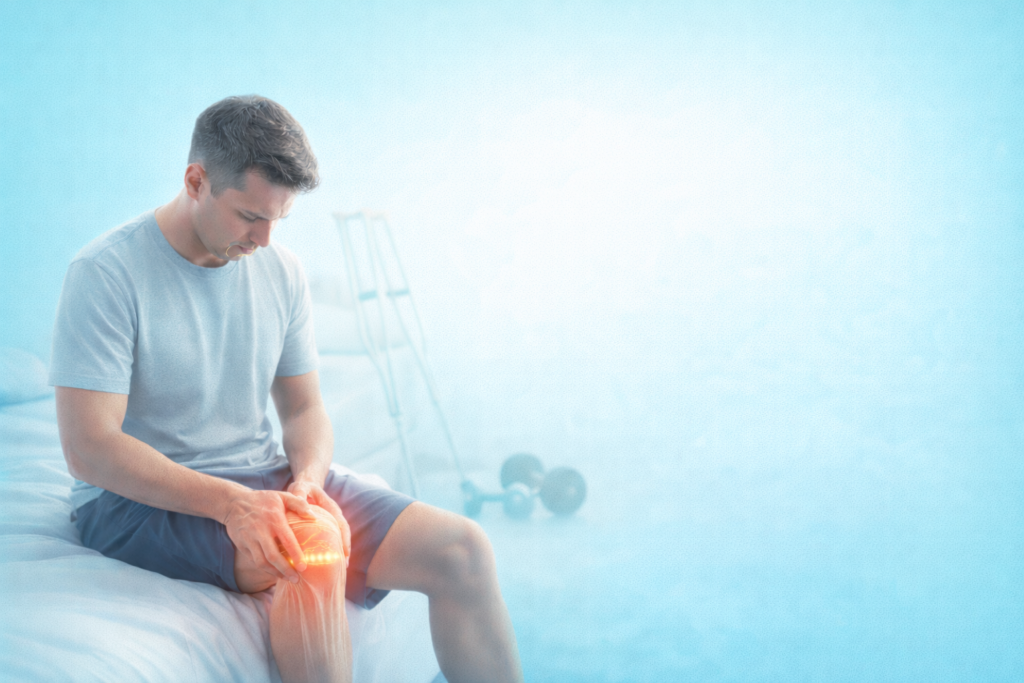
When most people get injured, the first advice they hear is simple: “Just rest — it will heal on its own.” For many years, complete rest was considered the safest way to recover after a sprain, strain, back injury, or accident. But modern research shows that while rest is helpful at first, rest alone can actually slow healing, increase stiffness, and lead to long-term problems. Your body doesn’t just heal by stopping. It heals best when it receives the right kind of controlled movement, support, and guidance. Rest Is Important — but Only at the Beginning Immediately after an injury, your body reacts by creating inflammation and swelling to protect the damaged area. For the first 24 to 72 hours, resting helps reduce irritation and prevents further strain. This short phase allows the body to calm down and start repairing tissues. However, problems begin when rest continues far too long. If you avoid moving for days or weeks, joints become stiff, muscles weaken, and circulation slows down. Instead of helping the injury heal, the lack of movement begins to interfere with recovery. Too Much Rest Weakens the Body When you stop moving, the body quickly adapts — but not in a good way. Muscles begin to shrink, connective tissues tighten, and the injured area becomes less stable. Over time, even simple movements can start to feel painful because the area has lost strength and flexibility. People who rely only on rest often notice their injury feels worse when they finally try to move again. Instead of feeling recovered, they feel stiff, sore, and afraid to use the injured area. Movement Encourages Healing Gentle, guided movement plays a major role in proper recovery. When appropriate exercises are introduced at the right time, they help increase blood flow, deliver nutrients to damaged tissues, and prevent scar tissue from becoming tight and restrictive. Movement also helps the nervous system relearn normal movement patterns. The body becomes more confident, more coordinated, and more capable of supporting daily activities again. Healing becomes faster and more complete when movement is introduced safely and gradually. Ready to Book Your Rehab Appointment? Get personalized care, faster recovery, and expert guidance — start with an easy online booking. Book Your Appointment Quick • Easy • Secure Online Booking Pain Doesn’t Always Mean Damage One of the biggest reasons people avoid movement is fear. They assume that if something hurts, it means they are making the injury worse. But discomfort during early rehab does not always equal injury — sometimes it simply means the body is stiff, weak, or unused to the movement. The goal is not to push through sharp or severe pain. Instead, it is to work within safe limits under guidance so the body becomes stronger without being overloaded. Injuries That “Heal on Their Own” Often Return When injuries are left alone without proper rehabilitation, they may appear to recover — but deep down, the tissue may not heal correctly. Weak joints, tight muscles, and poor movement habits can linger for months or years. This is why some people continue experiencing repeated ankle sprains, recurring shoulder pain, or ongoing back problems. The original injury never received structured recovery, so the body stayed vulnerable. A Smarter Approach to Recovery The most effective recovery combines short-term rest with gradually increasing activity. This usually includes gentle stretching, mobility exercises, strengthening, and hands-on therapy when needed. The goal is not just to eliminate pain temporarily, but to restore normal function and prevent future injuries. With the right plan, the body heals stronger, moves better, and returns to daily life more safely and confidently. Final Thought Rest has a place — especially right after an injury — but relying on rest alone can hold your recovery back. The body is designed to move, and the right type of movement helps it heal faster, better, and more completely. If an injury is still painful, stiff, or not improving after a few days, guided rehabilitation can make a major difference in long-term healing.
Why Minor Car Accidents Can Cause Major Pain Weeks Later

When most people think about car accidents, they imagine serious crashes, ambulances, and immediate injuries. But in reality, many collisions happen at low speeds — parking-lot bumps, slow traffic rear-ends, or small fender benders. In moments like these, people often step out of the car, look around, feel a bit shaken, and say: “Thank God — I’m fine.” But weeks later, they begin to notice something isn’t right. Their neck feels stiff, their back aches in the morning, headaches start showing up, or they feel sore for no clear reason. At first, they try to ignore it. They think it’s stress, bad sleep, or maybe “just age.” The truth is: even a minor car accident can create injuries that take time to reveal themselves. And understanding why this happens is the first step toward preventing long-term pain. Ready to Book Your Rehab Appointment? Get personalized care, faster recovery, and expert guidance — start with an easy online booking. Book Your Appointment Quick • Easy • Secure Online Booking Your body goes into survival mode — and hides the pain Immediately after an accident, the body experiences shock. The brain senses danger and releases stress hormones such as adrenaline and cortisol. These chemicals are designed to help in emergencies. They keep you alert, focused, and able to react quickly. But they also numb pain temporarily. That is why someone can walk away feeling “normal,” even when muscles, ligaments, and joints have actually been damaged. Hours, days, or sometimes weeks later — when those hormones calm down — the true discomfort begins to surface. What seemed like nothing at first slowly becomes persistent tension, tightness, and soreness. Soft-tissue injuries don’t always show up immediately Unlike broken bones, soft-tissue injuries are subtle. They involve the muscles, tendons, ligaments, and connective tissue that support the body. During a crash, your body moves suddenly and unnaturally. Seatbelts stop you, but your head, neck, and spine still absorb the force. This often leads to small internal injuries that aren’t visible from the outside. Tiny fibers inside the muscles and ligaments stretch or tear. Swelling begins gradually. Nerves can become irritated. Because these processes take time, symptoms don’t always appear right away. Over days and weeks, inflammation increases, movement becomes restricted, and what was once mild stiffness can develop into deep aching pain and limited mobility. Whiplash: the most misunderstood “minor” injury One of the most common injuries after a low-speed crash is whiplash. It happens when the head is suddenly thrown forward and backward, like the cracking of a whip. Importantly, this can happen even when the car isn’t badly damaged — because your body absorbs the force instead of the vehicle. People with whiplash frequently report feeling fine immediately afterward. Then, over time, they start noticing neck pain, headaches, jaw tension, dizziness, shoulder discomfort, or tingling down the arms. These symptoms can appear days later and continue for months if they aren’t treated properly. Ignoring whiplash can cause scar tissue to form, which reduces flexibility and increases the risk of future flare-ups. The spine absorbs shock — and sometimes becomes misaligned Your spine is designed to protect your nervous system while allowing you to move freely. During a collision, it acts like a spring, absorbing sudden pressure. Even when there is no obvious injury, the joints between vertebrae can shift slightly or become compressed. When this happens, surrounding muscles tighten to protect the area, creating stiffness and discomfort. Over time, this tension affects posture, sleep, energy levels, and daily movement. Pain may come and go at first, then gradually become more constant. Without proper evaluation, people often blame their mattress, work chair, or age — when in reality, the accident was the starting point. Pain spreads when the body compensates The human body is incredibly smart. When one area hurts, other muscles step in to protect and stabilize it. Unfortunately, this creates imbalance. For example, if the neck is injured, the shoulders, upper back, and even lower back may start working harder than normal. Slowly, new symptoms begin appearing — headaches, fatigue, tightness, and reduced range of motion. What began as one small injury becomes a chain reaction affecting multiple parts of the body. This is why it’s so important not to dismiss “small” aches after a collision. Why early evaluation matters so much Many people avoid seeing a doctor or therapist after a minor accident because they think the pain will eventually disappear on its own. Sometimes it does — but often it doesn’t. Soft-tissue injuries can heal incorrectly, forming scar tissue and chronic inflammation. Early evaluation helps identify hidden injuries before they become long-term problems. Proper care reduces swelling, restores movement, improves healing, and protects the spine and nervous system. In many cases, the difference between short-term soreness and chronic pain is how soon someone gets checked. When should you seek help? You should consider seeing a professional if, after your accident, you notice ongoing symptoms such as increasing stiffness, lingering soreness, headaches, dizziness, tingling, weakness, or any pain that lasts more than a few days. These signs suggest your body hasn’t fully recovered and may need support to heal correctly. There’s no benefit in waiting and hoping it disappears. Early attention not only speeds recovery but also prevents future complications and recurring discomfort. Final takeaway A small accident does not always mean a small injury. What feels like nothing in the moment can quietly build into major pain weeks later. Listening to your body is essential. If discomfort, stiffness, or headaches appear after a collision — even a minor one — it’s worth taking seriously. Your health, mobility, and comfort in the future may depend on the care you choose today.
Delayed Pain After a Car Accident — What It Means & How to Treat It

A car accident can be shocking, both physically and emotionally. While some injuries are obvious right away, many people walk away from an accident thinking they’re perfectly fine—only to feel pain hours, days, or even weeks later. This is known as delayed pain, and it’s far more common than most people realize. At Airport Physio & Rehab, we frequently treat patients experiencing delayed pain from Motor Vehicle Accidents (MVAs), helping them recover mobility, reduce pain, and navigate the insurance claim process smoothly. Understanding why delayed pain happens and how to manage it early can make a huge difference in long-term recovery. Why Pain Appears Days After an Accident During a collision, your body releases adrenaline and endorphins—natural chemicals that temporarily mask pain. Once these levels drop, inflammation and tissue damage begin to reveal themselves. Common reasons for delayed pain include inflammation building over time, soft tissue damage that worsens later, hidden injuries such as microtears or joint misalignment, nerve irritation developing gradually, or muscle spasms progressing after the event. Even minor accidents can lead to injuries that don’t show symptoms right away. Common Types of Delayed Pain After a Car Accident Neck Pain / Whiplash: Whiplash is one of the most common delayed injuries. Symptoms often appear 24–72 hours after the accident and may include neck stiffness, headaches, shoulder pain, reduced range of motion, dizziness, or fatigue. Without treatment, whiplash can become chronic.Back Pain: Lower or upper back pain may indicate muscle strain, ligament sprain, herniated discs, or inflamed joints. Even low-speed collisions can trigger spinal misalignment, causing long-term mobility issues if untreated.Headaches: Post-accident headaches can begin days later due to whiplash, concussion, muscle tension, nerve compression, or jaw strain. Any persistent headache should be assessed immediately.Joint Pain: Seat belts protect you but can also cause strain to the shoulders, ribs, hips, and knees during impact. Joint pain may also occur due to improper body positioning during the collision.Numbness or Tingling: These symptoms often suggest nerve compression or inflammation, frequently linked to whiplash or back injury.Emotional Symptoms: Trauma from the accident may lead to delayed emotional responses like anxiety, sleep issues, or difficulty concentrating. Holistic care such as physiotherapy and acupuncture often helps regulate the nervous system. Why You Should Never Ignore Delayed Pain Ignoring symptoms can lead to long-term complications such as chronic pain, reduced mobility, recurring headaches, joint degeneration, or nerve damage. Additionally, delaying treatment may complicate your MVA insurance claim because medical documentation must show timely assessment and injury progression. Airport Physio & Rehab provides full support throughout the claim process to ensure you get proper care and coverage. How to Treat Delayed Pain After a Car Accident At Airport Physio & Rehab, we use a comprehensive, evidence-based approach to treat delayed pain and restore full function. Physiotherapy helps reduce inflammation, restore mobility, and prevent chronic pain through joint mobilization, stretching, strengthening, and posture correction. Chiropractic care realigns the spine, reduces nerve pressure, and relieves pain caused by whiplash or back injuries. Massage therapy improves circulation, reduces muscle tension, and promotes faster tissue healing. Acupuncture decreases pain, inflammation, and stress while supporting overall nervous system balance. Occupational therapy helps patients regain independence and perform daily activities with confidence. For MVA patients, we also create customized rehabilitation plans combining multiple therapies and assist with assessments, paperwork, and reports needed for insurance. When to Seek Treatment You should book an appointment immediately if you experience delayed pain, stiffness, headaches, dizziness, back or neck pain, numbness, tingling, reduced mobility, fatigue, or any discomfort that worsens over time. Early intervention prevents minor injuries from developing into long-term conditions. How Airport Physio & Rehab Supports Your Recovery Our clinic offers a holistic, patient-centered approach combining physiotherapy, chiropractic care, massage therapy, acupuncture, and MVA claim support. Our therapists help patients restore mobility, reduce pain, heal safely, and prevent chronic complications. We are committed to providing compassionate, evidence-based care to every MVA patient. Final Thoughts Delayed pain after a car accident is real, common, and often serious. Even if you feel fine initially, symptoms can appear days later. Getting assessed early helps prevent long-term complications and speeds up the recovery process. If you’ve recently been in a motor vehicle accident and are experiencing delayed pain, Airport Physio & Rehab is here to help you heal and guide you through every step of recovery.
How Physiotherapy Improves Mobility in Adults Over 40

As we cross the age of 40, certain changes in our body begin to affect how we move, bend, stretch, and perform daily tasks. Stiff joints, reduced muscle strength, slower recovery, or old injuries may start showing up more frequently. While these changes are natural, limited mobility doesn’t have to be something you simply “accept.”Physiotherapy offers a safe, effective, and personalized approach to help adults over 40 maintain strength, flexibility, and pain-free movement. At Airport Physio & Rehab, we specialize in restoring mobility by identifying the root causes of pain, stiffness, and physical limitations. Through expert assessment and tailored treatment plans, physiotherapy helps adults remain active, independent, and confident in their daily lives. Why Mobility Declines After 40 Many adults begin to notice changes such as:Decreased joint lubrication and flexibilityLoss of muscle mass (sarcopenia)Slower tissue healingOld injuries resurfacingSedentary work or lifestyleWeight gain and poor postureArthritis and age-related wear-and-tear While these issues are common, early physiotherapy can prevent them from progressing and help rebuild mobility through targeted exercises and therapies. 1. Physiotherapy Improves Joint Flexibility and Range of Motion Stiff joints—especially in the hips, knees, shoulders, and spine—are one of the most common complaints after 40.Physiotherapists use joint mobilization, stretching routines, and guided movement techniques to reduce stiffness and improve range of motion. Improved flexibility helps you:Walk more comfortablyReach and lift objects with easePerform exercise without painPrevent compensatory injuries With consistent therapy, many patients regain movement they thought was lost forever. 2. Strength Training Helps Preserve Muscle Mass After the age of 40, muscle mass begins to decline naturally. This leads to weakness, instability, and reduced endurance.Physiotherapy includes targeted strengthening exercises that safely rebuild muscle without stressing vulnerable joints. Strengthening key muscle groups—such as the core, glutes, and back—greatly enhances mobility and helps prevent falls or injuries. 3. Physiotherapy Corrects Postural Imbalances Years of sitting, working on screens, or improper lifting habits can cause postural issues like rounded shoulders, forward head posture, and pelvic tilts. Poor posture affects mobility by:Limiting joint movementCausing chronic painReducing balance and coordinationIncreasing the risk of spinal problems Physiotherapists provide posture correction exercises and ergonomic advice to restore proper alignment and reduce strain on joints. 4. Helps Manage Age-Related Conditions Like Arthritis Arthritis is extremely common after 40 and can severely impact mobility if not managed well.Physiotherapy helps by:Strengthening muscles around affected jointsReducing inflammation and stiffnessImproving joint lubrication through movementTeaching safe ways to stay active Regular physiotherapy reduces pain and delays the progression of arthritis, helping patients maintain a full, active lifestyle. 5. Enhances Balance and Prevents Falls Reduced balance is a major concern for adults over 40, especially as joint and muscle strength decline. Physiotherapy includes balance training and proprioception exercises that improve stability. Better balance means:Fewer trips or fallsMore confidence during daily activitiesImproved ability to navigate uneven surfaces Stronger balance also supports other physical movements, making you more agile and injury-resistant. 6. Accelerates Recovery from Old or New Injuries Many adults carry old injuries from sports, work, or falls. These injuries often resurface after 40 as tissues weaken. Physiotherapists help:Rehabilitate old injuriesImprove tissue healingRestore normal movement patternsPrevent chronic pain conditions Faster and more complete recovery helps ensure injury doesn’t limit your mobility as you age. 7. Personalized Exercise Plans for Long-Term Mobility One of the greatest benefits of physiotherapy is customized care.Every patient over 40 has different goals—whether it’s climbing stairs without pain, returning to exercise, or simply moving freely without stiffness. At Airport Physio & Rehab, therapists create personalized programs that include:StretchingStrength trainingMobility drillsManual therapyLifestyle recommendations These individualized plans ensure long-term results and sustainable mobility improvements. 8. Prevents Future Mobility Problems Physiotherapy not only treats current issues but also prevents future ones. By identifying weak areas early and addressing them, patients avoid:Joint degenerationMuscle imbalancesRecurrent painReduced quality of lifeLoss of independence Maintaining mobility today protects your future health and freedom of movement. Why Choose Airport Physio & Rehab? At Airport Physio & Rehab, we combine:Evidence-based physiotherapyChiropractic careAcupunctureMassage therapyNutrition and lifestyle support Our holistic approach targets the root cause of mobility issues rather than just the symptoms. With experienced therapists and personalized treatment plans, we help you move better, feel better, and stay active—no matter your age. Final Thoughts Mobility is essential for healthy aging. Whether you’re starting to feel stiff, recovering from an injury, or simply wanting to stay active, physiotherapy offers a powerful and effective solution.Adults over 40 can significantly improve movement, strength, and confidence with the right physiotherapy program. If you’re ready to enhance your mobility and regain control of your movement, the team at Airport Physio & Rehab is here to help.
The Connection Between Foot Health and Back Pain (How Orthotics Help)
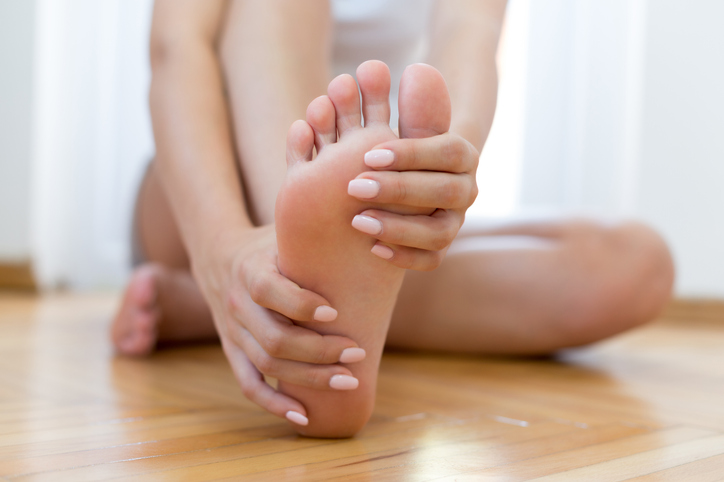
Introduction Many people are surprised to learn that the root cause of their back pain might actually begin at their feet. Our feet serve as the foundation for the entire body, and when they’re not properly aligned, the effects can travel upward — leading to discomfort in the knees, hips, and even the lower back. At DAO Health, we use custom orthotics to restore proper alignment and balance, helping patients relieve chronic pain and improve posture naturally. 1. The Role of Foot Health in Overall Body Alignment Each foot contains 26 bones, 33 joints, and over 100 muscles, ligaments, and tendons — all working together to support your weight and maintain stability.When there’s an imbalance in the feet (due to flat arches, high arches, or uneven gait), the body compensates by shifting posture. This compensation can place extra stress on the knees, hips, and lower back, eventually resulting in chronic pain and muscle fatigue. In short, when your foundation is unstable, your entire body feels it. 2. How Poor Foot Alignment Causes Back Pain Misaligned feet can lead to: Research shows that correcting foot mechanics can significantly reduce back pain and improve movement efficiency. 3. How Orthotics Help Restore Alignment and Relieve Pain Custom orthotics are specialized shoe inserts designed to correct biomechanical issues in your feet. Unlike store-bought insoles, orthotics at DAO Health are tailored to your specific foot shape and walking pattern. Here’s how they help: At DAO Health, our practitioners use detailed biomechanical assessments and gait analysis to create personalized orthotic solutions that match your lifestyle and needs. 4. Who Can Benefit from Orthotics? Orthotics are helpful for: Whether you’re an office worker, athlete, or new parent — proper support from the ground up can make a remarkable difference in your comfort and overall well-being. 5. Combining Orthotics with Holistic Care at DAO Health At DAO Health, we believe in addressing pain from the root cause. Our team combines orthotic therapy with acupuncture, massage therapy, and physiotherapy-based techniques to promote long-term relief and better movement patterns.This integrative approach ensures that every part of your body — from your feet to your spine — functions in balance. Conclusion Foot health plays a vital role in your overall posture, movement, and comfort. If you suffer from recurring back pain, it might be time to look down — your feet could be the key.DAO Health’s custom orthotics provide natural, effective support to realign your body, reduce discomfort, and help you move freely again. ✨ Take the first step toward pain-free living.📞 Call 416-710-1104 or visit daohealth.ca to book your orthotics assessment today.
10 Common Causes of Lower Back Pain and How Physiotherapy Can Help
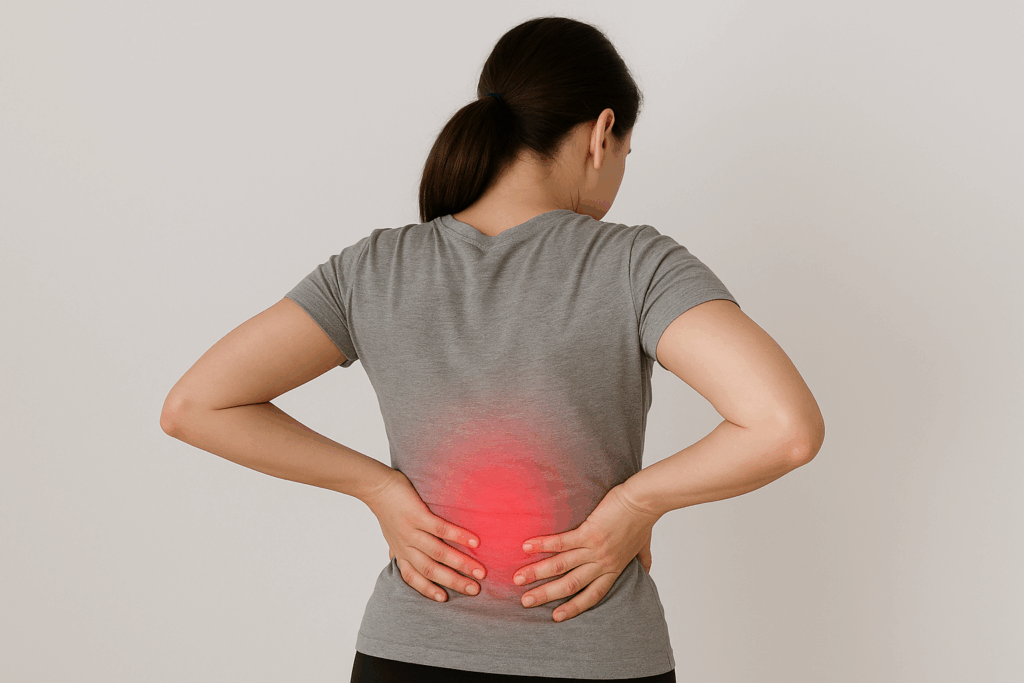
Lower back pain is one of the most common reasons people visit a physiotherapist. Whether it’s a dull ache or sharp discomfort that limits your movement, back pain can affect your ability to work, sleep, and enjoy life.At Airport Physio & Rehab, we help patients uncover the root cause of their pain—not just mask the symptoms—through customized physiotherapy and holistic care. Let’s look at the 10 most common causes of lower back pain and how physiotherapy can help you recover and prevent it from returning. 1. Poor Posture Sitting for long hours, slouching at your desk, or using the wrong chair can strain the muscles and ligaments of your lower back. Over time, this causes stiffness and chronic discomfort.✅ Physiotherapy Solution: Postural correction exercises, ergonomic education, and core strengthening help improve alignment and reduce muscle fatigue. 2. Muscle Strain or Sprain Lifting heavy objects incorrectly or sudden twisting movements can overstretch your back muscles and ligaments.✅ Physiotherapy Solution: Manual therapy, gentle stretching, and strengthening exercises speed up recovery and restore flexibility. 3. Herniated or Bulging Disc When the soft discs between spinal bones slip or bulge, they can compress nerves and cause sharp pain or numbness.✅ Physiotherapy Solution: Targeted exercises improve spinal stability, while traction and posture training reduce nerve pressure and pain. 4. Degenerative Disc Disease As we age, spinal discs lose hydration and elasticity, which can cause chronic back pain.✅ Physiotherapy Solution: Controlled movement, core stabilization, and low-impact strengthening help maintain spine mobility and reduce discomfort. 5. Sciatica Compression of the sciatic nerve can cause pain that radiates from the lower back down to the legs.✅ Physiotherapy Solution: Nerve-gliding exercises, spinal decompression, and stretching routines relieve pressure on the sciatic nerve. 6. Sedentary Lifestyle Lack of movement weakens core muscles, which support your spine. A weak core often leads to poor posture and recurring back pain.✅ Physiotherapy Solution: Personalized strengthening programs help reactivate weak muscles and build endurance safely. 7. Arthritis or Joint Inflammation Osteoarthritis or inflammation in the lower spine can cause stiffness and limited range of motion.✅ Physiotherapy Solution: Gentle mobilization, hydrotherapy, and strengthening around affected joints can ease pain and improve flexibility. 8. Stress and Muscle Tension Emotional stress can cause tightness in the lower back muscles, leading to pain even without physical injury.✅ Physiotherapy Solution: Massage therapy, breathing exercises, and relaxation techniques help release tension and improve circulation. 9. Poor Lifting Technique Bending or twisting your back instead of your knees when lifting heavy objects can cause microtears in your lower back muscles.✅ Physiotherapy Solution: Education on safe lifting, body mechanics training, and flexibility exercises help prevent future injuries. 10. Pregnancy and Postpartum Changes Hormonal and postural changes during pregnancy can strain the lower back.✅ Physiotherapy Solution: Prenatal and postpartum physiotherapy focuses on pelvic alignment, stability, and gentle exercises to relieve pressure and support recovery. How Physiotherapy at Airport Physio & Rehab Can Help At Airport Physio & Rehab, our experienced physiotherapists use evidence-based techniques to relieve pain, improve mobility, and restore strength.Our approach includes: We don’t just treat your symptoms—we help you understand your body and prevent future pain. When to See a Physiotherapist If your back pain lasts more than a few days, radiates to your legs, or makes it difficult to sit or sleep, it’s time to get professional help. Early intervention prevents chronic pain and promotes faster recovery. Book Your Appointment Today Don’t let lower back pain hold you back from living life to the fullest.📞 Call: 905-794-4200📍 Visit: 6231 Mayfield Rd, Unit 125🌐 Book Online: airportphysio.ca At Airport Physio & Rehab, we’re here to help you move better, live better.
Common Sports Injuries and How Physiotherapy Helps You Heal Faster

Sports and physical activity are excellent for maintaining health and fitness, but they also come with the risk of injuries. From sprained ankles to muscle strains, athletes and active individuals often face setbacks that can slow them down. The good news is that physiotherapy provides effective solutions to not only heal injuries but also prevent them from recurring. In this article, we’ll look at some of the most common sports injuries and explain how physiotherapy helps you recover faster, stronger, and safer. 1. Sprains and Strains What They Are These usually occur due to sudden twists, overstretching, or overuse during sports. How Physiotherapy Helps Physiotherapists use manual therapy, stretching, strengthening exercises, and taping techniques to reduce pain and restore mobility. They also teach preventive techniques to reduce the risk of re-injury. 2. Knee Injuries What They Are Knee injuries are extremely common among athletes, especially conditions like: How Physiotherapy Helps Treatment focuses on strengthening the muscles around the knee, improving flexibility, and correcting movement patterns. Physiotherapists also use balance training and rehabilitation exercises to help athletes return to sports safely. 3. Shoulder Injuries What They Are Sports like tennis, swimming, and baseball often lead to: How Physiotherapy Helps Physiotherapy involves targeted strengthening exercises, posture correction, and joint mobilization to stabilize the shoulder and prevent chronic pain. 4. Tennis Elbow (Lateral Epicondylitis) What It Is An overuse injury caused by repetitive wrist and arm movements. It results in pain and tenderness around the elbow joint. How Physiotherapy Helps Treatment includes ultrasound therapy, manual techniques, and progressive exercises to strengthen forearm muscles. Physiotherapists also recommend ergonomic adjustments to reduce strain during activity. 5. Ankle Injuries What They Are Sprained ankles are frequent in sports involving running, jumping, or sudden changes of direction. How Physiotherapy Helps Physiotherapists guide patients through stability, balance, and strengthening exercises to support recovery. Taping and bracing may also be used to protect the ankle during the healing phase. 6. Back Injuries What They Are Sports like weightlifting, gymnastics, or football often put pressure on the spine, leading to muscle strains, disc injuries, or chronic back pain. How Physiotherapy Helps Therapists use manual therapy, spinal mobilization, core strengthening, and posture training to relieve pain and support long-term spinal health. 7. Shin Splints What They Are Shin splints are characterized by pain along the shin bone, common in runners and athletes who suddenly increase training intensity. How Physiotherapy Helps Physiotherapy involves stretching, strengthening, footwear assessment, and running technique correction to ease pain and prevent recurrence. Why Physiotherapy Is Essential for Athletes Physiotherapy does more than just treat injuries—it focuses on: Heal Faster with Airport Physio & Rehab At Airport Physio & Rehab, we understand how frustrating sports injuries can be. Our experienced physiotherapists provide: Whether you’re a professional athlete or a weekend warrior, we’ll help you recover quickly and get back to doing what you love. 📞 Call us today at 905-794-4200 or Book your appointment online to start your recovery journey.