
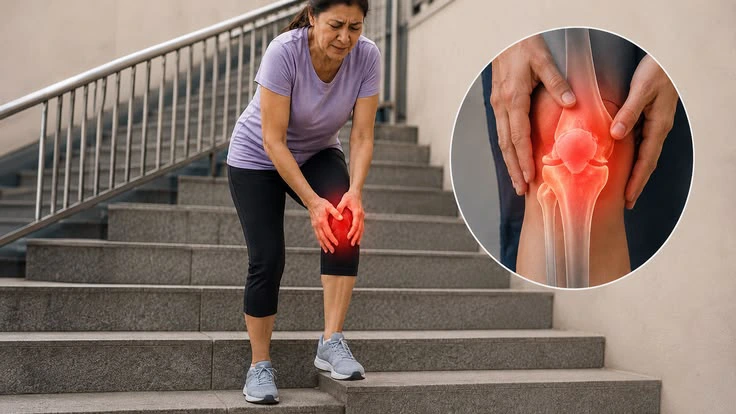
Knee pain when you walk or climb stairs is common, and it can get in the way of everyday life. Physiotherapy can help with many causes, though not all.
Common causes. Pain around the kneecap, early osteoarthritis, tendon irritation, meniscus problems, ligament strains, and overuse. Weak hips and thighs, tight muscles, extra body weight, and sudden changes in activity can add to it.
Why stairs hurt. Climbing stairs puts several times your body weight through the knee, so irritated joints and tendons show up quickly.
How physiotherapy helps. A physiotherapist assesses your knee, hips, ankles, and the way you walk and move to find what is driving the pain. Treatment often includes strengthening for the thighs and hips, flexibility work, manual therapy, activity changes, and advice on footwear or bracing when appropriate. Many people are given a short home exercise routine to keep progress going between visits.
What to try meanwhile. Reduce aggravating activities without stopping altogether, use the handrail, keep gently moving, and avoid pushing through sharp pain.
See a doctor first if the knee is very swollen, hot, or red, locks or gives way, you cannot bear weight, you have a fever, or the pain followed a fall or twisting injury. Some problems need imaging or a specialist.
How long does it take? Mild overuse pain may settle within weeks of consistent exercise. Longer-standing problems take more time, and most people improve when they stick with the plan and build strength gradually.
If knee pain is limiting stairs, walks, or work, an assessment can clarify what is going on and what to do next.